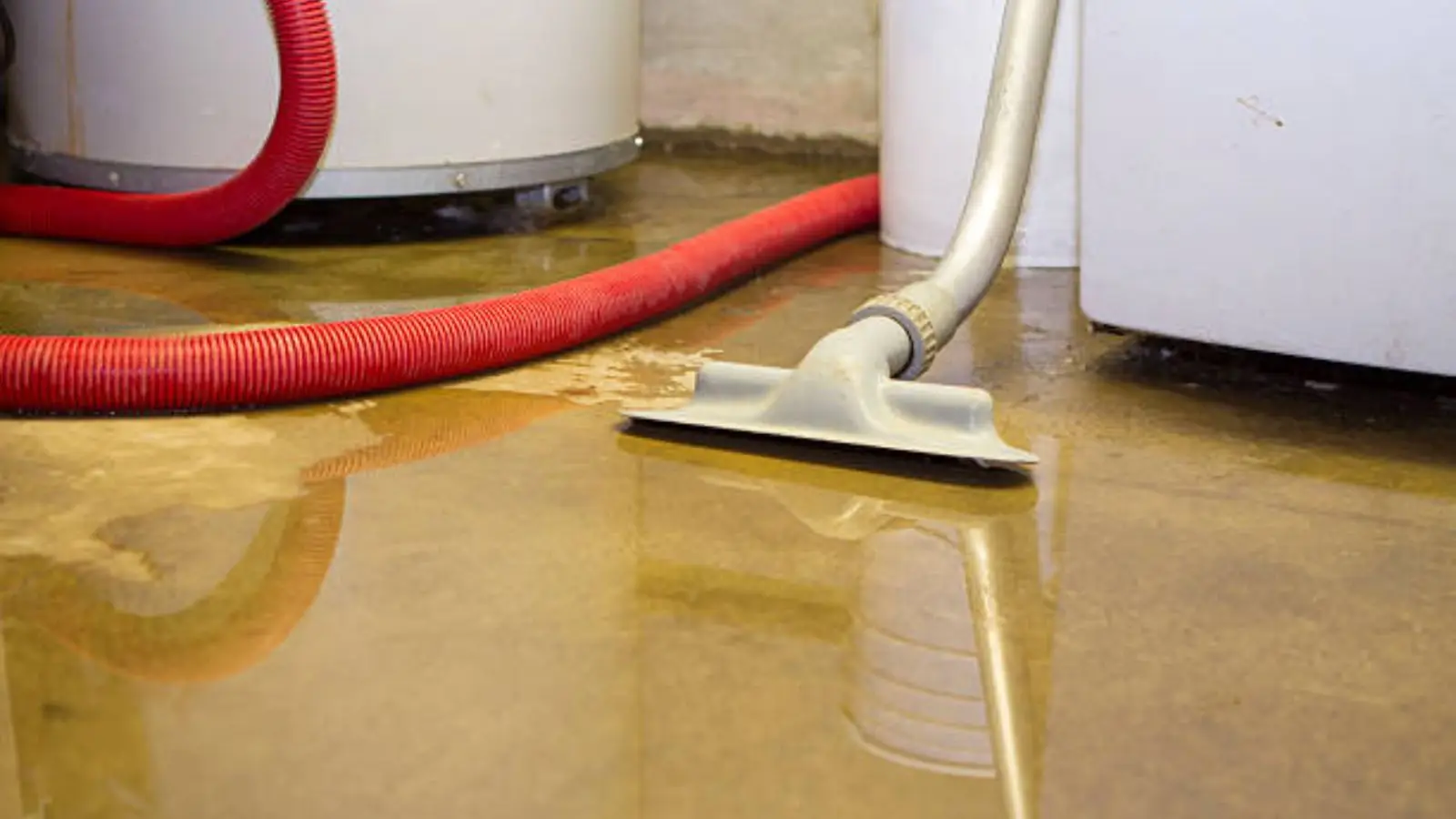
Water damage restoration cost is decided by a short list of factors: the water category, the size of the affected area, the materials involved, how many days of drying equipment the job needs and how much rebuilding follows. Two homes with the same amount of water can end up with very different totals. That is why a fair number comes from an on-site look with moisture readings, not from a phone guess.
Why no honest company quotes sight unseen
Water hides. It runs under flooring, wicks up drywall and settles in insulation where you cannot see it. A moisture meter and a thermal imaging camera show how far it traveled, and that map is what sets the scope.
A quote given before that look is a guess, and guesses tend to change once walls are opened. Ask any company how it measures wet areas and whether it records readings on a drying log.
The factors that change the scope
| Cost factor | What changes the scope |
|---|---|
| Water category | Clean water often allows drying in place. Gray or black water adds removal, cleaning and disinfecting. |
| Affected area | More rooms and more wet square footage mean more equipment, more labor and more drying readings. |
| Materials | Hardwood, tile, carpet, drywall and insulation react differently. Porous items are often replaced, not dried. |
| Time since the loss | Water that sat for days soaks deeper and may bring mold concerns, which adds steps. |
| Drying days and equipment | Air movers and LGR dehumidifiers are tracked by the day, and thick or dense materials take longer. |
| Access and layout | Tight spaces, crawl spaces and finished lower levels slow extraction and make drying harder. |
| Rebuild scope | Drywall, paint, flooring, trim and cabinets are priced as repair work after the structure is dry. |
The number comes from an on-site look, not from this table.
Notice that most rows connect to each other. A higher water category often means more materials removed, and more materials removed means a bigger rebuild. Reading the table this way helps you see why a modest leak and a flooded floor can sit so far apart.
Mitigation and repair are two different parts of the bill
Mitigation is the emergency work: stopping damage from spreading by extracting water, removing wet materials and drying the structure. Repair is the rebuild afterward, such as new drywall, paint and flooring. A company that handles water damage repair will usually list the two separately so you can see what each covers.
Splitting them also helps when you talk to your insurer, who may ask about each phase.
Want a scope you can understand?
Call (972) 945-2885 for an on-site look and a written scope.
How water category and time quietly raise the scope
Water is sorted into three categories. Category 1 is clean supply water, Category 2 carries some contamination and Category 3 is grossly contaminated, such as sewage. A higher category means more materials come out and more cleaning is needed.
Time makes it worse. Clean water that sits for a couple of days can slip into a higher category, so a fast response often keeps the scope smaller.
What drying days and equipment mean for the job
Drying is measured, not guessed. Air movers push air across wet surfaces, LGR dehumidifiers pull moisture out of the air, and daily readings show when materials reach dry standards. Dense materials like hardwood, plaster and concrete release water slowly, which can stretch the number of days.
Ask any company whether its crews work to ANSI/IICRC S500, the published standard for water damage restoration.
Permits and inspections in Duncanville
The Duncanville Permit & Inspection Services Department at 203 E. Wheatland Road, (972) 780-5000, says repair work generally needs a permit and inspections. That means permits and inspections are part of the rebuild scope, so ask them whether your repair needs a permit before work begins and plan for the time inspections take.
The city also says contractors register in its Citizen Access Portal. Before you sign anything, ask your contractor whether they are registered and who pulls the permit, so you do not find out later that an inspection was skipped.
How to compare two estimates fairly
Two numbers are only comparable if they cover the same work. One may include drywall removal and drying while another leaves out rebuilding. Ask each company to list the rooms, the materials removed, the equipment and the expected drying days.
Also ask who does the work. We dispatch licensed and insured professionals, and you can ask any company the same question. For the largest jobs, our page on water damage cleanup explains how the early phase is organized.
Questions to ask before you approve work
- Which rooms and materials are in the scope?
- What water category did the crew find?
- How many days of drying equipment do you expect?
- Will I see daily moisture readings on a drying log?
- Which parts are mitigation and which are rebuild?
- Who pulls permits and schedules inspections?
- Are the crews licensed and insured?
- Do your crews work to ANSI/IICRC S500?
Where nearby towns fit in
We also serve neighbors on the Best Southwest side. Homeowners in DeSoto and Cedar Hill get the same on-site approach, and the same factors decide their scope. Call (972) 945-2885 and describe the water, the rooms and how long it has been wet, and we will set up the on-site look.
Frequently Asked Questions
Water travels where you cannot see it. Without moisture readings and a look at the affected materials, any number is a guess. An on-site look lets the crew measure the wet area and write a scope.
Insurance changes who pays, not what the work involves. Your policy may cover part of the loss, and your insurer may have its own requirements. Check your policy and ask your insurer before you start major repairs.
Not always. Size matters, but water category and materials matter just as much. A small sewage backup can need more removal and cleaning than a larger clean water leak.
Call Permit & Inspection Services at (972) 780-5000 at 203 E. Wheatland Road and ask whether your repair needs a permit. The city says repair work generally needs a permit and inspections. Your contractor should be registered in the Citizen Access Portal.
Waiting usually raises the scope. Wet drywall and insulation can hold moisture for days, and mold risk goes up with time. Early drying often saves materials that would otherwise be replaced. Hard floors, cabinets and baseboards can sometimes be saved with fast drying, while the same items replaced later add to the rebuild.