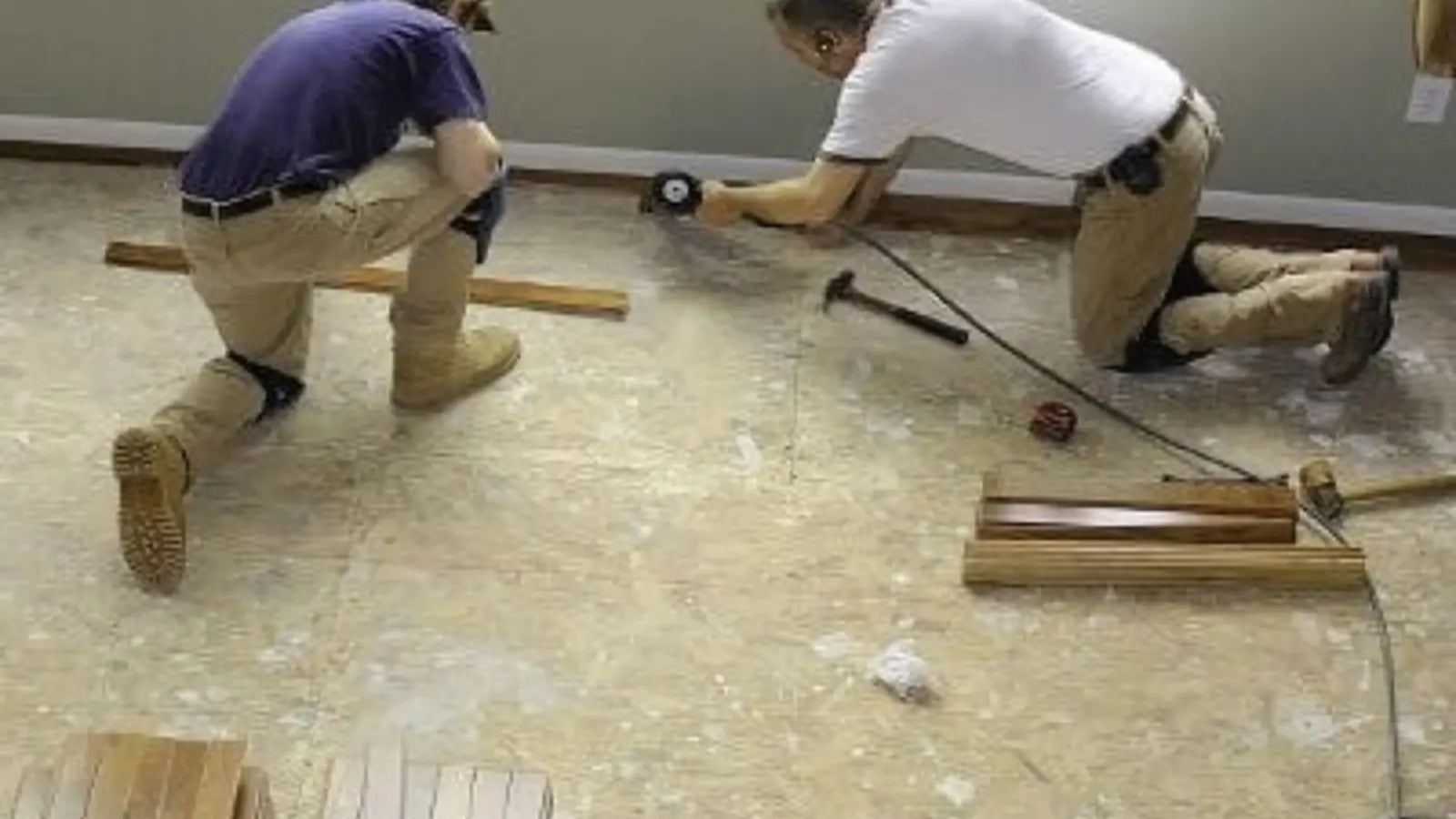
Water damage repair in Duncanville, TX begins after the water is out and the materials read dry. Repair is the rebuild phase. It replaces what the water ruined and restores what drying saved, which is why this page is separate from water mitigation, the first-72-hours work that stops the damage from spreading.
If water is still moving through the house, start with the emergency line and come back to repair later. If the stain is old, the ceiling sags or a floor has started to cup, you are in the right place.
Repair starts only when the readings say dry
Rebuilding over a wet wall traps moisture, and trapped moisture feeds mold. Crews check framing, subfloor and drywall with moisture meters, following the ANSI/IICRC S500 standard, and compare them with a dry reference reading from an unaffected part of the house. Federal guidance often cited by restoration firms is to dry wet materials within 24 to 48 hours, which is why a delayed repair so often turns into a larger one.
Once the readings hold steady, the repair scope is written down: what is removed, what is replaced and what is only cleaned. You see that scope and the price before any rebuilding starts.
Ceiling and wall water damage repair
Ceilings and walls are the most common repair calls. A roof leak, a bathroom supply line or an air conditioner condensate line can soak the drywall above a room and show up as a brown ring, a bubble or a sag. Wet drywall that has sagged or crumbled is cut out, not painted over.
The cut reaches past the stain to dry material, wet insulation is removed and the framing is allowed to dry. Then new board is hung, taped, textured to match the surrounding finish and primed with a stain-blocking primer before paint. Skipping the primer is why old stains reappear a month later.
If the stain returns after a dry spell, the source is still active. A roofer or plumber has to fix the leak, because repair work cannot cure a pipe or flashing that is still failing.
Hardwood, laminate and other floors
Wood swells when it takes on water. Boards that cup, with raised edges and a dish-shaped middle, may flatten once they dry slowly, so sanding too soon is a mistake. Laminate and engineered flooring usually swell at the seams and rarely return to shape.
Flooring over a leaking dishwasher or washer valve can look fine on top while the subfloor stays wet. That is why the plan checks underneath before it promises that boards can stay.
| Material | Usual repair route | What pushes it toward replacement |
|---|---|---|
| Drywall ceiling or wall | Cut out wet section, new board, tape, texture, prime, paint | Sagging, crumbling paper face, repeated wetting, contaminated water. |
| Insulation | Remove wet batts and replace | Almost always replaced once saturated. |
| Hardwood floor | Slow drying, then sand and refinish if flat | Severe cupping, buckling, black staining, contaminated water. |
| Laminate or vinyl plank | Lift planks and dry the subfloor | Swollen seams or edges. |
| Cabinets and trim | Dry and reseal or replace damaged panels | Swollen particleboard or delaminated veneer. |
Every home differs. The final route is set after an on-site look.
What to do before the crew arrives
- Stop the source if you can reach it, starting with the main water shutoff.
- Cut power to wet rooms only if the panel is dry and you can reach it safely.
- Keep people and pets out of any water that may be dirty.
- Photograph the damage before anything is moved.
- Call the emergency line and describe what you see.
Ceiling still dripping?
Stop the leak first. Then call so the repair scope can be written.
What changes the price of a repair
No honest number exists before someone sees the damage. Five factors set the price: the water category, the square footage affected, the materials involved, the drying days and equipment already used, and how much rebuild follows. Matching a texture or a flooring pattern can matter as much as the board itself.
On insurance, sudden and accidental water damage is often covered and gradual leaks often are not, so check your policy and ask your insurer. We document the loss with photos and readings, but coverage is your insurer's decision.
What older Duncanville homes mean for repairs
The city grew from 3,774 residents in 1960 to 27,781 in 1980, so many homes are now 45 to 65 years old. Repairs in older houses often uncover original galvanized or aging supply lines, tired shower valves and old wiring in the wall cavity. When a wall is open, it is the right time to ask a plumber or electrician to look.
The City of Duncanville says repair work generally needs a permit and inspections, and contractors register through its Citizen Access Portal. Ask Permit & Inspection Services at (972) 780-5000 whether your job is covered. If mold is found behind the wall, our mold remediation page explains the Texas process, and homes near the neighboring city line in Cedar Hill get the same repair approach.
We serve ZIP codes 75116 and 75137 in Duncanville. If a wet carpet or soaked drywall needs hauling and sanitizing before repair, water damage cleanup covers that step.
Frequently Asked Questions
Yes. Mitigation stops the spread and dries the structure. Repair rebuilds what was removed. Doing repairs before drying is finished risks sealing in moisture.
A ceiling with a faint, dry stain can often be sealed and painted. One that is sagging, soft or crumbling has to be cut out. A moisture meter reading settles the question.
Sometimes. Boards that cup but have not buckled may flatten as they dry slowly over days or weeks. Contaminated water or black staining usually means replacement.
Yes. Old leaks often need more rebuild because the materials stayed wet or mold started. The first step is a moisture check to see whether the source is still active.
The 24/7 emergency line takes calls at any hour. For active water we send crews for extraction and drying first, and repair is scheduled once the structure is dry.
It depends on the policy and the cause. Sudden and accidental damage is often covered, and gradual leaks often are not. Ask your insurer and keep photos of the damage before anything is removed.